 Menu
Menu
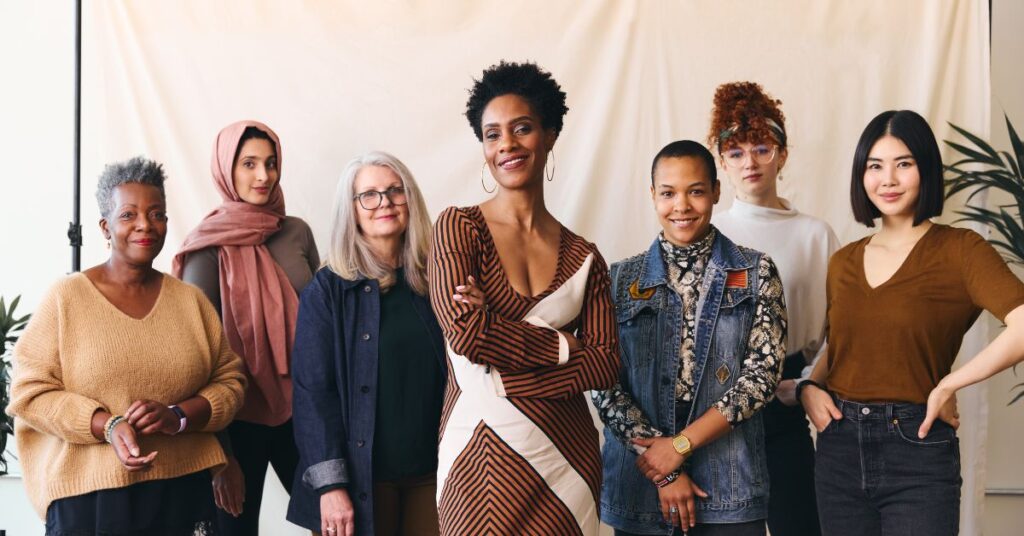
This International Women’s Day, we at Rapid Peronnel are examining the changing landscape for women in manufacturing. While the sector has historically been male-dominated, we’re seeing encouraging signs of change, with new opportunities emerging for women across all areas of the industry.
Beyond Manufacturing Stereotypes
The manufacturing sector still battles outdated perceptions. Many people envision manufacturing environments better suited to men—an image that bears little resemblance to today’s reality. Modern manufacturing offers sophisticated, technology-driven environments where multidisciplinary teams collaborate to solve complex problems.
As a recruitment agency specialising in this sector, we’ve witnessed how manufacturing companies often work behind the scenes, powering innovations across industries while remaining relatively unknown to the public. This disconnect between perception and reality presents both a challenge and an opportunity in attracting diverse talent to the sector.
Unconscious Bias in Action
Even those working within manufacturing aren’t immune to unconscious bias. We frequently hear stories from women in the industry who notice their colleagues’ surprise when they demonstrate proficiency in traditionally male-dominated areas—whether operating forklifts, managing production lines, or troubleshooting complex machinery.
These subtle biases can influence recruitment and promotion decisions, reinforcing the gender imbalance where women make up only approximately 30% of the manufacturing workforce across the EU. We’ve observed how these biases can manifest in job descriptions, interview processes, and advancement opportunities, sometimes creating invisible barriers to female participation in the sector.
The Fourth Industrial Revolution: Creating New Opportunities
The evolution of manufacturing through automation, digitalisation and advanced analytics is creating what we might call “gender-neutral roles”—positions that rely on technological aptitude and problem-solving rather than traditional manual skills that might have been stereotypically gendered in the past.
As recruitment specialists, we’re seeing growing demand for skills in areas like:
- Digital twin technology
- Advanced robotics programming
- Data analytics and visualisation
- Process automation
- AI implementation and oversight
These emerging roles provide excellent entry points for women looking to build careers in manufacturing, especially those with STEM backgrounds who might not have previously considered the sector. In our conversations with manufacturing clients, we’re consistently hearing that there has never been a better time for women to enter the industry.
Addressing Work-Life Balance Challenges
One persistent challenge we’ve identified is what some experts call the “maternal wall”—biases related to motherhood and caregiving responsibilities that have historically impacted women’s career progression in manufacturing. Traditional expectations that women should prioritise family while men focus on careers have contributed to gender imbalance, particularly at leadership levels.
This challenge isn’t unique to manufacturing, but the sector’s historical work patterns and shift structures can exacerbate these issues. We’re pleased to see that progressive manufacturers are now implementing more flexible working arrangements and parental support policies that accommodate diverse needs and life stages. When recruiting for such forward-thinking clients, we notice significantly higher numbers of qualified female applicants.
The Skills Gap Opportunity
The manufacturing skills shortage presents a compelling business case for improved gender diversity. With projections suggesting there could be 2.1 million unfilled manufacturing jobs in the US by 2030, and similar concerns across Europe, tapping into underrepresented talent pools isn’t just about equality—it’s about business sustainability.
Our data shows that manufacturing companies actively working to increase female representation are seeing benefits beyond just filling vacancies—they’re reporting improved problem-solving, enhanced team dynamics, and fresh perspectives that drive innovation.
Initiatives Driving Change
Several promising developments are helping to reshape the landscape:
Pay Transparency Legislation
The European Commission has drafted a directive requiring companies to provide gender pay reporting, expected to become European legislation as early as 2024. This transparency will help address the current 13% gender pay gap (which is even wider in some European countries) and create accountability for employers.
We’re already advising our clients to prepare for these changes, reviewing compensation structures and addressing disparities before reporting becomes mandatory.
Leadership Development Programmes
Leading manufacturing companies are implementing targeted initiatives to build female talent pipelines. These programmes focus on developing women leaders by addressing the critical career stage where gender disparity often widens—the transition to first-time management roles.
The most effective programmes we’ve seen build women’s self-awareness and confidence by developing critical personal competencies, mental strength, and resilience—all essential elements for bridging the gender balance divide in manufacturing leadership.
Leadership Commitment
In our experience working with hundreds of manufacturing employers, programmes alone aren’t enough. To be fully effective, diversity initiatives require ongoing sponsorship and accountability from company leaders. Leadership teams ultimately set the tone for an organisation’s business success and drive a strong cultural ethos that includes diversity and inclusion.
When recruiting senior manufacturing roles, we now routinely discuss candidates’ commitment to and experience with fostering inclusive environments as a core leadership competency.
Embracing Equity for Sustainable Success
This year’s International Women’s Day theme of “Embrace Equity” resonates strongly with the manufacturing sector’s challenges and opportunities. At Rapid, we believe that embracing equity is everyone’s responsibility and essential for achieving sustainable success in manufacturing.
How Rapid Can Help
As specialists in manufacturing recruitment, we’re committed to supporting companies in building more diverse and inclusive workforces. Our services include:
- Designing inclusive job specifications that attract diverse candidates
- Providing balanced candidate shortlists for manufacturing roles at all levels
- Advising on competitive and equitable compensation structures
- Connecting employers with women returning to work after career breaks
- Offering insights on best practices for retaining and developing female talent
Whether you’re a manufacturing employer looking to enhance your diversity strategy or a woman considering opportunities in this evolving sector, we’d be delighted to support your journey.
Categories: Rapid Insights


